


Recent & Upcoming Projects
In Melaka, construction at the Sungai Udang landfill began in mid-2025 to build an integrated WtE facility. Additionally, a second plant in the same area is scheduled to begin operations by 2029. It will process 1,000 tonnes of waste per day and generate around 22 MW of electricity.
Meanwhile, Selangor is progressing with two major WtE projects in Jeram and Rawang. To streamline efforts and address concerns, the state is considering merging both developments. Jeram alone will treat up to 3,500 tonnes of waste daily through its Phase I project. This 52 MW plant is expected to start construction in 2025 and begin operations by 2026.
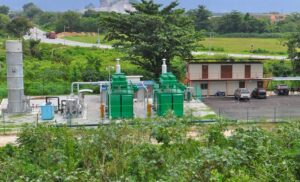
In Negri Sembilan, Port Dickson launched Malaysia’s first modular WtE plant in December 2022. It processes 600 tonnes of waste per day and generates 20 MW of electricity. The plant runs under a 25-year concession and targets RM80 million in annual revenue.
National Policy & Strategy
At the national level, the Circular Economy Blueprint (2025–2035) promotes WtE as a key waste treatment method. Likewise, the 12th Malaysia Plan emphasizes WtE development through strong policy and financial incentives. Furthermore, the government targets six WtE plants by 2025, supported by tax breaks and feed-in tariffs. At the same time, the Housing Ministry aims to convert 17 old landfills into integrated WtE facilities.
Why Now?
Today, Malaysia generates over 38,000 tonnes of municipal waste daily, or about 14 million tonnes annually. Moreover, landfill capacity is shrinking and may run out entirely by 2050. As a result, WtE offers a dual solution—reducing waste and producing renewable energy. Thus, it plays a crucial role in achieving the country’s net-zero 2050 target.
Summary
Overall, WtE is gaining strong momentum across Malaysia. Currently, projects are progressing from planning to construction and full operation. For example, Port Dickson is already operational, while Sungai Udang and Jeram are under construction. Additionally, Rawang is in the planning stage and could see further development. With firm government support and rising urgency, WtE is becoming central to national energy and waste goals.
